

I grew up an army kid. That meant packing up every couple of years and starting again: a new house, a new city, a new school, new friends to make. By the time I finished school, I’d been the new kid in nine schools across six states.
If there’s one thing all those first days taught me, it’s this: nobody actually has it figured out. Some people are just better at looking like they do.
This piece is for anyone in the middle of starting over, whether you chose it or not.
Why change is harder than it looks
From the outside, a lot of change looks exciting. A new job. A move to a new city for studies. A fresh start after a breakup. People congratulate you, and you’re supposed to feel grateful.
And maybe you do. But you might also feel unsettled, lonely, anxious, or strangely sad, and then feel guilty for feeling that way when “nothing is wrong”.
Here’s what often gets missed: even good changes involve loss. When you move, you lose a routine that ran on autopilot. You lose people who knew you without explanation. You lose the shop that knew your order, the route you could walk half asleep, the version of yourself who knew where everything was.
Your brain likes predictability. When almost everything around you becomes new at once, it works overtime trying to make sense of it all. That’s exhausting, even when nothing dramatic is happening. It’s why the first few weeks somewhere new can leave you so tired.
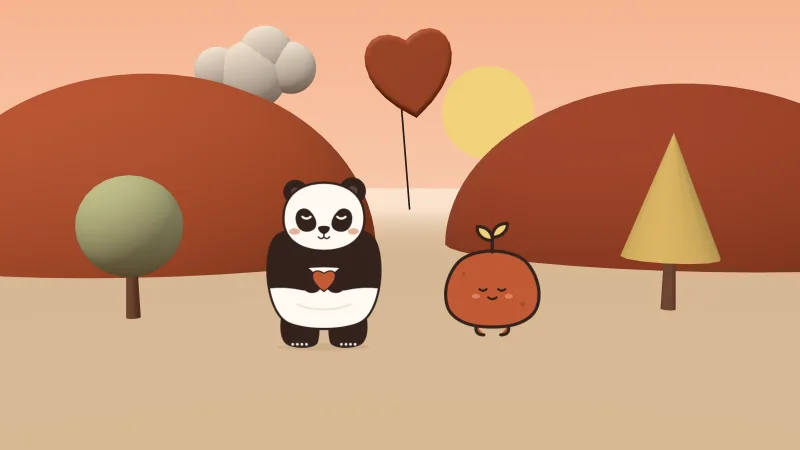
Home can be a feeling, not just a place. You get to build it again.
The awkward middle
There’s usually a stage nobody warns you about. The novelty has worn off, but things don’t feel familiar yet. You’re no longer a visitor, but you don’t quite belong either.
This middle stretch is where a lot of people quietly struggle. You might notice:
- Missing people or places more than you expected to.
- Comparing everything new to how things were before.
- Feeling like you’re performing a version of yourself rather than being yourself.
- Second-guessing the decision to move or change.
- Pulling back from new people because making friends feels like too much effort.
None of this means you made the wrong choice. It means you’re in the middle of adjusting, which takes longer than most of us expect. For many people it takes months, not weeks, before a new place starts to feel like home.
What helped me, and what I’ve seen help others
Some of this I learned the hard way, as a kid figuring out yet another canteen. Some of it I’ve learned since, sitting with people going through their own transitions.
Keep one anchor. Pick one routine that travels with you, wherever you are. A morning walk, a cup of chai at the same time each evening, a weekly call home, a playlist. When everything else changes, one familiar thing gives your nervous system somewhere to rest.
Make one place yours. It can be small: a corner of your room set up just how you like it, a café where you always sit at the same table, a bench in a park. Belonging often starts with a place before it starts with people.
Lower the bar for connection. You don’t need a best friend in the first month. Start with “familiar faces”: the neighbour you nod to, the colleague you chat with at lunch, the person at the gym. Small, repeated contact is how most friendships quietly begin.
Say yes a little more than feels comfortable. Not to everything. But when someone invites you somewhere, try going even if you feel awkward. Especially if you feel awkward. Everyone else at that table was new once.
Let yourself miss things. You don’t have to choose between loving where you were and building a life where you are. Grief and growth can happen at the same time.
Give it a timeline. Tell yourself: “I’m going to give this six months before I judge how it’s going.” Early impressions of a new place are often unfairly harsh because you’re still tired and unsure.
When you don’t know who you are anymore
Sometimes the hardest part of change isn’t the new city or job. It’s the sense that you’ve lost track of yourself. The person you were in the old place had a role, a reputation, a rhythm. Here, you’re starting from zero.
That can feel frightening. It can also be an unexpected opportunity. Without the old expectations around you, you get to notice which parts of yourself you actually want to keep, and which ones you were carrying out of habit.
Some questions that can help:
- What do I want to bring with me from my old life?
- What am I quietly relieved to leave behind?
- Who do I want to be here, if nobody expects anything?
You don’t need full answers. Even asking the questions loosens the pressure to have everything sorted.
Being kind to the version of you who’s still adjusting
When things feel shaky, many of us get harsh with ourselves. Why can’t I just settle in? Everyone else seems fine. What’s wrong with me?
Try talking to yourself the way you’d talk to a friend who just moved. You wouldn’t tell them they’re failing because they feel lonely in week three. You’d tell them it makes sense, that it takes time, and that you’re proud of them for trying.
You deserve that same patience.
If it’s feeling like a lot
Sometimes adjusting to change is more than “just a phase”. If you’ve been feeling persistently low, anxious, or disconnected for a while, or if the change has stirred up older feelings about belonging, it can really help to talk it through.
This is something I understand from the inside, and it’s one of the things I most love working on with people. If you’d like support finding your ground, you can book a session, online from wherever you’ve landed, or in person in Pune.
And in the meantime: you don’t have to have it all figured out. You just have to keep showing up for the next small thing.
This article is for general information and isn’t a substitute for personal care from a professional. If you’re in crisis, please see urgent help.