


For something so common, therapy is still surprisingly mysterious to a lot of people. Most of what we know comes from films: a leather couch, a therapist with a notepad saying “and how does that make you feel?”, a dramatic breakthrough by the end of the hour.
Real therapy is quieter than that, and much more ordinary. Which is a good thing. Here’s what it actually looks like, so you can walk in knowing what to expect.
Before the first session
Usually you’ll get in touch, either through a booking form, a message or a call, and pick a time. Some therapists send a short form beforehand asking for basic details. Many, like me, keep it simple and leave the real conversation for the session itself.
If your session is online, you’ll get a video link. It helps to find a private spot where you won’t be overheard, with headphones if you have them. Some people sit in their car, on a terrace, or in a bedroom with the door closed. Whatever feels safest.
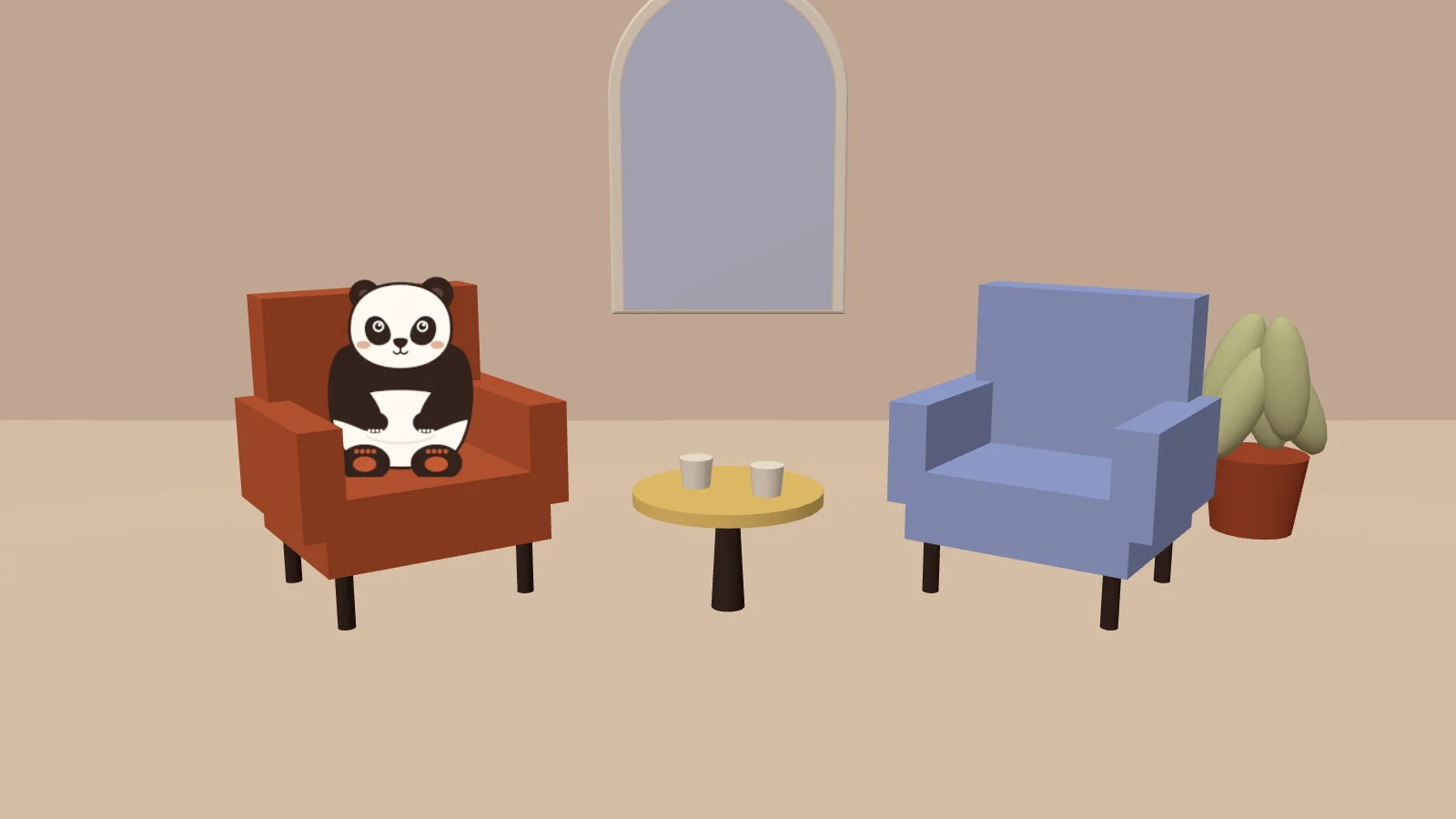
If it’s in person, you’ll come to a quiet room. No couch required. Usually it’s just two comfortable chairs and a box of tissues nobody has to use.
The first session
The first session is a little different from the ones that follow. It’s mostly about getting to know each other. You can expect roughly this:
Settling in. We start slowly. I’ll explain how sessions work and, importantly, how confidentiality works: what stays between us, and the rare situations where a therapist has to share something, like if someone’s safety is at serious risk.
What brings you here. I’ll ask what’s been going on and what made you reach out now. You share as much or as little as feels okay. You don’t need to tell your whole life story, and you don’t need to have it organised. Plenty of people start with “I’m not sure where to begin”.
Some background. I might ask about your work or studies, the people in your life, your sleep, your health, what you’ve tried before. This helps build a picture, not judge it.
What you’d like to change. Towards the end, we’ll talk about what you hope to get from therapy. It’s fine if the answer is fuzzy, like “I just want to feel less heavy”. We can shape it together over time.
Deciding together. We’ll talk about whether to continue, how often, and what that might look like. There’s no pressure to commit to anything on the spot.
Therapy is less about being fixed and more about being understood, including by yourself.
What later sessions look like
After the first session, things become more focused on whatever you’re working on. A session might involve:
- Talking through something that happened that week and how it affected you.
- Noticing a pattern, like always saying yes when you mean no, and exploring where it comes from.
- Learning practical tools: ways to calm your body, manage worry, or communicate more clearly.
- Making sense of older experiences that still shape how you feel today.
- Sometimes, just having space to say things out loud that you’ve never said before.
Some sessions feel productive and clear. Others feel messy, or like nothing much happened. Both are part of the process. Change in therapy usually comes from steady, small shifts over weeks, not one big moment.
What therapy can do
People often notice things like:
- Words for things that used to be a tangle. Being able to name what’s going on is a big relief in itself.
- Understanding your patterns, in relationships, at work, or in how you talk to yourself.
- Feeling less alone with what you’re carrying.
- Practical skills for anxiety, low mood, stress and difficult conversations.
- More choice. Instead of reacting automatically, you start to notice the moment where you could do something differently.
What therapy isn’t
It isn’t advice-giving. A therapist generally won’t tell you whether to quit your job or end a relationship. Instead, we help you get clear on what you think and want, so the decision is truly yours.
It isn’t judgement. Nothing you bring is too much, too small or too strange. Therapists hear a very wide range of things. Very little surprises us, and none of it changes how we see you.
It isn’t a test you can fail. There’s no right way to “do” therapy. Being quiet, crying, laughing, getting frustrated, changing your mind: all of it is welcome.
It isn’t forever. Some people come for a handful of sessions around one specific thing. Others find ongoing sessions helpful for a longer stretch. You can pause or stop whenever you choose.
Common myths
“Therapy is only for people with serious mental illness.” Therapy helps with everyday struggles too: stress, change, relationships, self-doubt, grief, burnout. You don’t need a diagnosis.
“Talking about problems makes them worse.” It can feel uncomfortable at first, but talking things through in a safe, structured way usually makes them more manageable, not less.
“A good friend is the same thing.” Friends are precious, and they matter enormously. But a therapist is trained, neutral, and focused entirely on you, without any history or needs of their own in the conversation. That makes a different kind of space possible.
“I should be able to sort this out myself.” You might be able to, eventually. Therapy can make it faster, kinder, and less lonely.
How to get the most out of it
- Be honest, including about therapy itself. If something I say doesn’t sit right, tell me. That feedback helps.
- Notice things between sessions. Jot down moments that felt hard or interesting during the week to bring in.
- Go at your pace. You never have to share something before you’re ready.
- Give it a few sessions. The first one or two are often about building trust. It’s fair to see how a few feel before deciding.
Finding the right fit
The relationship between you and your therapist matters a lot. Research consistently shows that feeling safe and understood is one of the strongest predictors of therapy helping. If, after a few sessions, it doesn’t feel right, it’s completely okay to say so and look for someone else. A good therapist will understand and may even help you find a better match.
If you’re curious what this would look like for you, you can read how sessions work at Awkward Mind or book a first session. Bring whatever you’ve got, including your nerves. We’ll start there.
This article is for general information and isn’t a substitute for personal care from a professional. If you’re in crisis, please see urgent help.